
Lead poisoning prevention is an important Public Health Service. Lead poisoning is a silent disease:
Children's Health
Services at Public Health:
Lead Poisoning Prevention
- You may not know if your home has lead paint—homes built before 1978 frequently have lead based paint.
- Your child can have lead poisoning and not seem sick.
- Children with lead poisoning may have learning disabilities and behavior problems. Serious cases can lead to death.
- Lead can also be found in some toys and other things you use at home. You can check the Consumer Product Safety Commission website for product recalls and warnings.
How to test for lead?
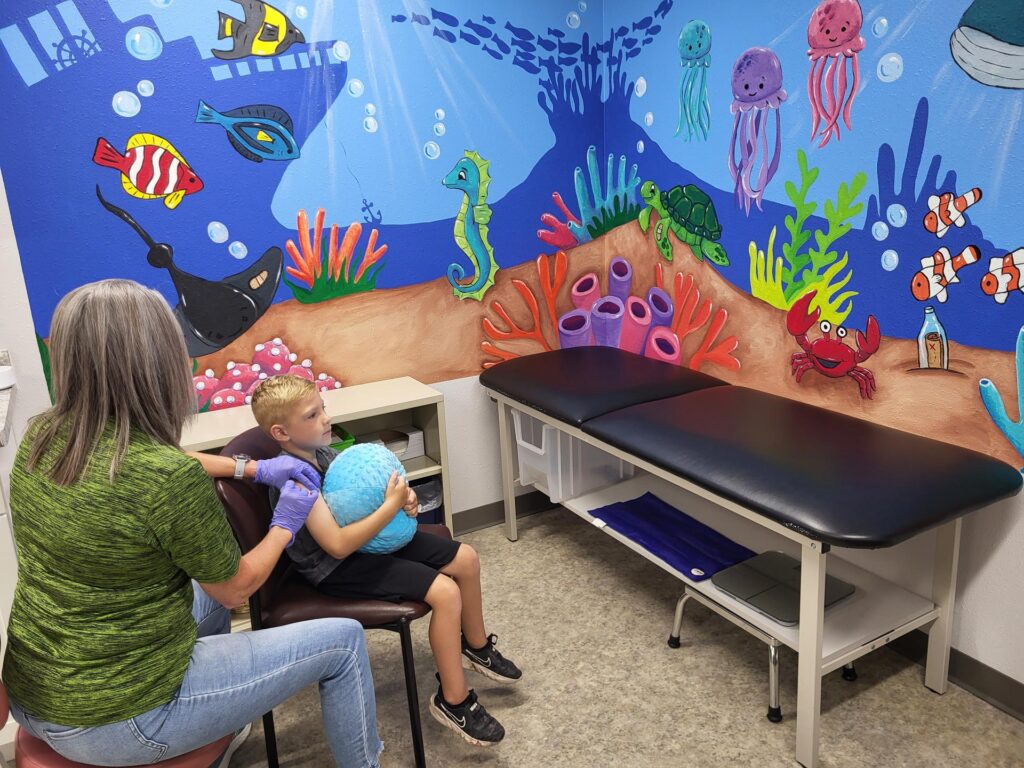
A blood sample from your child’s finger is all that is needed to obtain a lead level for your child. Testing is done during WIC Clinics and by appointment at the Public Health office.
When to test for lead?
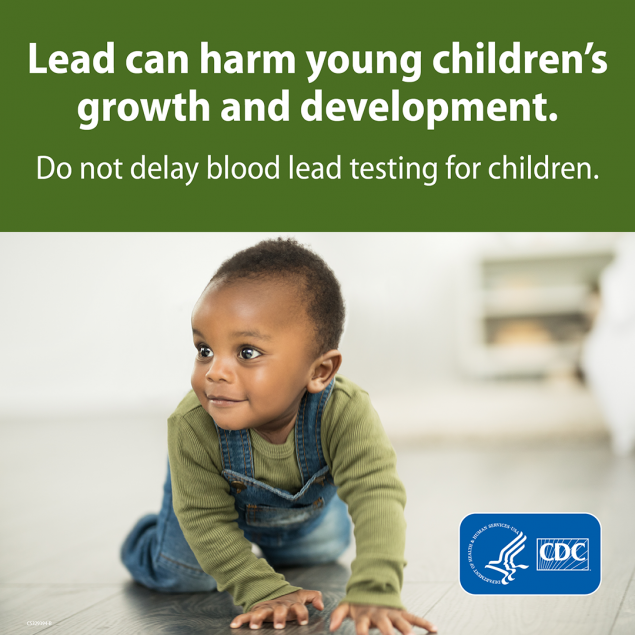
All Iowa children under the age of 6 should be tested regularly for lead poisoning. This test is required for children who are enrolled in Medicaid. Many children have normal blood-lead levels at 6-12 months of age. However, these same children may become lead-poisoned when they are older and more active, so it is important to get their blood lead tested at least once a year until they are 6 years old. All Iowa children must have proof of a blood lead test before starting kindergarten.
What happens if lead levels are high?
Children are considered to have an elevated blood lead level if the level is above 5mcg/dl. It a child’s level is 5 or higher they should be checked again in 6 months. The first test can be done using a small blood sample from a finger prick. If the lead level is 10 or higher, it should be checked again with a blood sample taken from a vein to confirm the result.
If a child has a lead level higher than 20, a certified lead inspector will check the home and surrounding area for lead dangers. Children who live in older homes can swallow lead from paint chips, dust, or even the soil outside the home.
Car Seat Safety
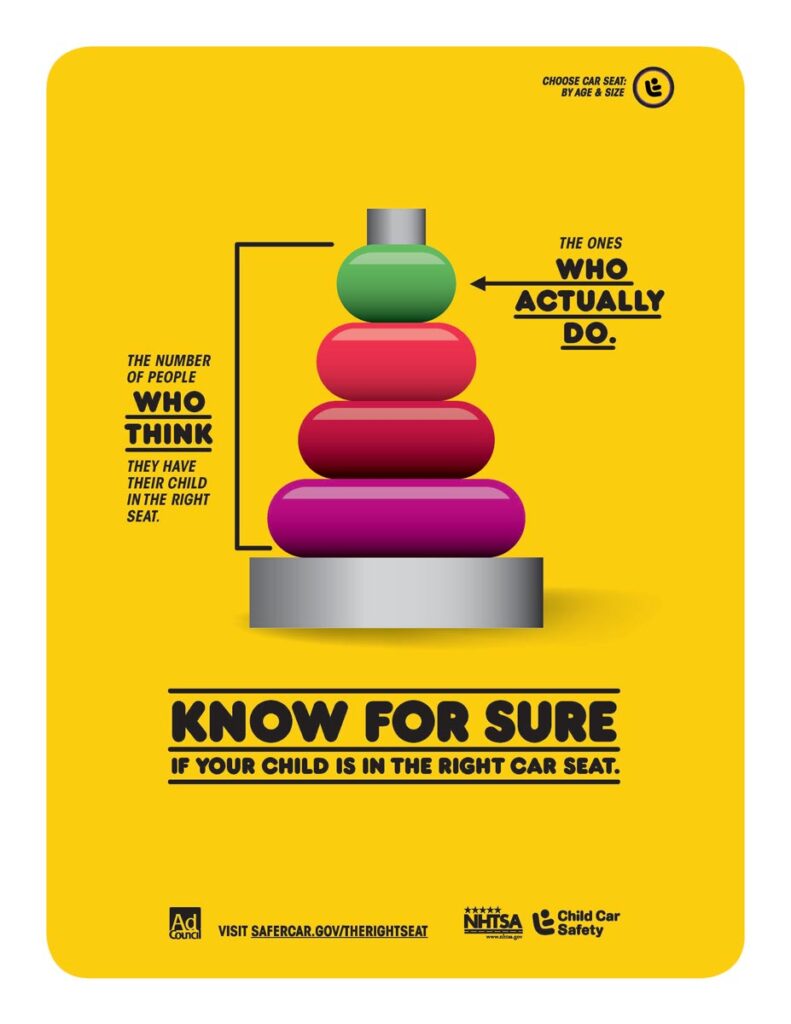
Car seats and booster seats provide protection for infants and children in a crash, yet car crashes are a leading cause of death for children ages 1 to 13. It’s important to choose the right seat and use it correctly every time your child is in the car.
We can help!
- Is your child in the right car seat?
- Is your car seat installed properly?
- When does your child need to advance to the next car seat?
- Has there been a recall on your car seat or is it expired?
Henry County Public Health has a certified Child Passenger Safety Technician that can answer these questions, inspect your current car seat, or install a new car seat for your child. Call April at 319-385-0779 to make an appointment for a FREE car seat safety check. April is also certified for special needs car seats.
Why is Car Seat Safety Important?
In 2023, 43% of children (14 and younger) who died while riding in passenger vehicles were unrestrained.
www.trafficsafetymarketing.gov
In 2023 alone, the 8- to 12-year-old age group had the highest number of fatalities (314) among children in traffic crashes. This age group is often found to be using the wrong type of restraint for their age and size. Moving a child passenger into a booster seat or adult seat belt before they are the right age and size can increase the risk of injury and death.
www.trafficsafetymarketing.gov
Every 25 seconds a child 14 and younger is involved in a crash while riding in a passenger vehicle.
www.nhtsa.gov
www.nhtsa.gov


Services Provided by our Partners:
We can’t do all the work ourselves. We partner with and support other community organizations working to promote healthy families in Henry County. Learn more about our community partners below:
WIC – Community Action of Southeast Iowa
WIC is a Special Supplemental Nutrition Program for Women, Infants, and Children that provides supplemental foods, health care referrals, and nutrition education for low-income pregnant, breastfeeding, and non-breastfeeding postpartum women and to infants and children up to age 5 who are found to be at nutritional risk.
General screening services are offered in conjunction with the Women, Infants, and Children (WIC) Clinics held monthly (by appointment) in Mt. Pleasant at the Tolson Center – 1303 W. Washington St., Mt. Pleasant. Services include:
- Dental screening by a dental hygienist
- Nutrition counseling
- Social work services
- Lead screening
WIC is a program of Community Action of Southeast Iowa. Call 319-209-2850 to find out more and schedule an appointment for the WIC clinic. Click here to learn more about WIC.

1st Five is a program of the Lee County Health Department, which serves CSA 13/14, including Des Moines, Henry, Lee, Louisa, Muscatine, Washington, & Cedar counties. Call Marisa Bunn at 319-372-5225 for more information or click here to learn more about 1st Five.
1st Five – Lee County Health Department
Iowa’s 1st Five Healthy Mental Development Initiative was designed to build partnerships between primary care practices and public service providers to better meet the developmental needs of children during the first 5 years of life. Medical providers use developmental screening tools that screen for social-emotional, developmental, and family risk factors to better identify children at risk for a variety of concerns.
If a concern is identified, the primary care provider can make a referral to their local 1st Five agency who will then contact the family and help them find resources that will address those concerns. 1st Five staff will follow up with the family to ensure that services are effectively meeting the needs of the child and family, and then close the loop by sharing this information with the referring primary care provider. 1st Five services are free, voluntary, and confidential.
When concerns are identified and addressed early in a child’s life, it creates an opportunity for the best possible outcome for both the child and the family. The first five years last a lifetime!
Early ACCESS – Great Prairie AEA
Early ACCESS is Iowa’s early intervention system for infants and toddlers under 3 years old who are not developing as expected or who have a medical condition that can delay typical development. Early intervention focuses on helping parents and other caregivers so that you can support your child’s growth and development during everyday routines and activities.
Anyone can refer children under the age of three to Early ACCESS, including parents, family members, medical providers and childcare providers.
Early ACCESS is a program of Great Prairie AEA. Call 641-682-8591 to find out more or visit the Iowa Family Support Network: Make A Referral – Iowa Family Support Network
Learn More
The American Academy of Pediatrics’ parenting website is a great place to go for the most recent information on all kinds of topics, including breastfeeding, giving medication to children safely, and whether or not your child should be using electronic devices. healthychildren.org
View product recalls and safety alerts through the Consumer Product Safety Commission at cpsc.gov or their Facebook page.
Find a variety of great articles, blogs and more at the National Association for the Education of Young Children website.
Adverse Childhood Experiences (ACEs) are traumatic events that can dramatically upset a child’s sense of safety and well-being. Learn more about ACEs and their impact at iowaaces360.org