
The need for vaccines does not change with age. The protection you receive from vaccination as a child can wear off over time. The vaccines you need as an adult are determined by factors including age, lifestyle, health condition(s), and which vaccines you’ve previously received during your life.
Adults Need Vaccines Too
Routine adult vaccines:
COVID-19: COVID-19 vaccines help our bodies develop immunity to the virus that causes COVID-19 without us having to get the illness. Stay up to date with COVID-19 vaccines by following the latest recommendations. Learn more here.
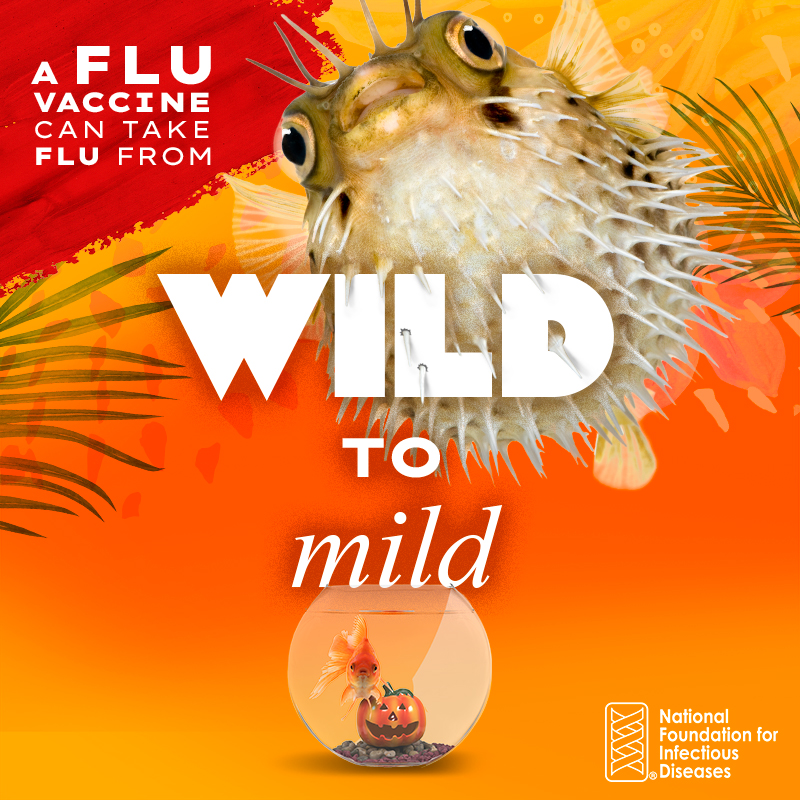
Flu: Everyone 6 months and older should get a flu vaccine every season. Adults age 65 and older may receive a high-dose flu vaccine.
Pneumococcal Pneumonia: Pneumococcal disease is common in young children, but older adults are at greatest risk of serious illness and death. CDC now recommends vaccination for all adults 50 years or older. If you are under age 50 talk to your medical provider.
RSV: The RSV vaccine helps protect adults 50 years and older from RSV disease. Older adults are at greater risk than young adults for serious complications from RSV because immune systems weaken with age. In addition, certain underlying medical conditions may increase the risk of getting very sick from RSV and older adults with these conditions may especially benefit from getting RSV vaccine. If you are 50 years and older, talk to your healthcare provider to see if RSV vaccination is right for you. Learn more here.
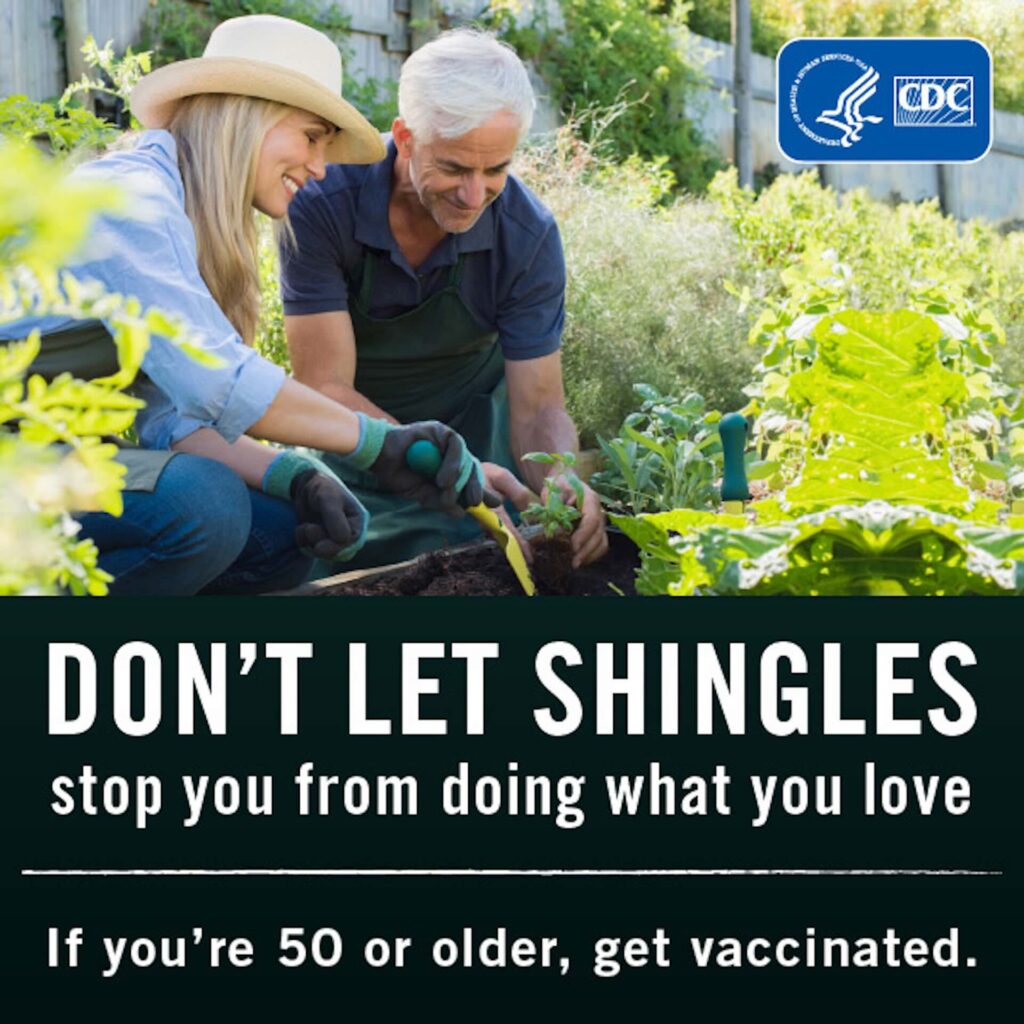
Shingles: Shingles is a painful rash that usually develops on one side of the body, often the face or torso. Shingles vaccination is the only way to protect against shingles. Adults 50 years and older should get two doses of Shingrix, separated by 2 to 6 months.
Tetanus: Tetanus, or lockjaw, is a serious disease caused by bacteria that affects the nervous system. Adults are recommended to get a tetanus booster dose every 10 years. Experts also recommend tetanus shots any time you have a wound caused by something dirty (like a rusty nail) and it has been more than five years since your last booster.
Other adult vaccinations are also available during immunization clinic hours.
Concerned about measles? click here to view the MMR vaccine recommendations
Find the American Academy of Family Physicians recommended Adult immunization schedule here
Vaccines and Pregnancy
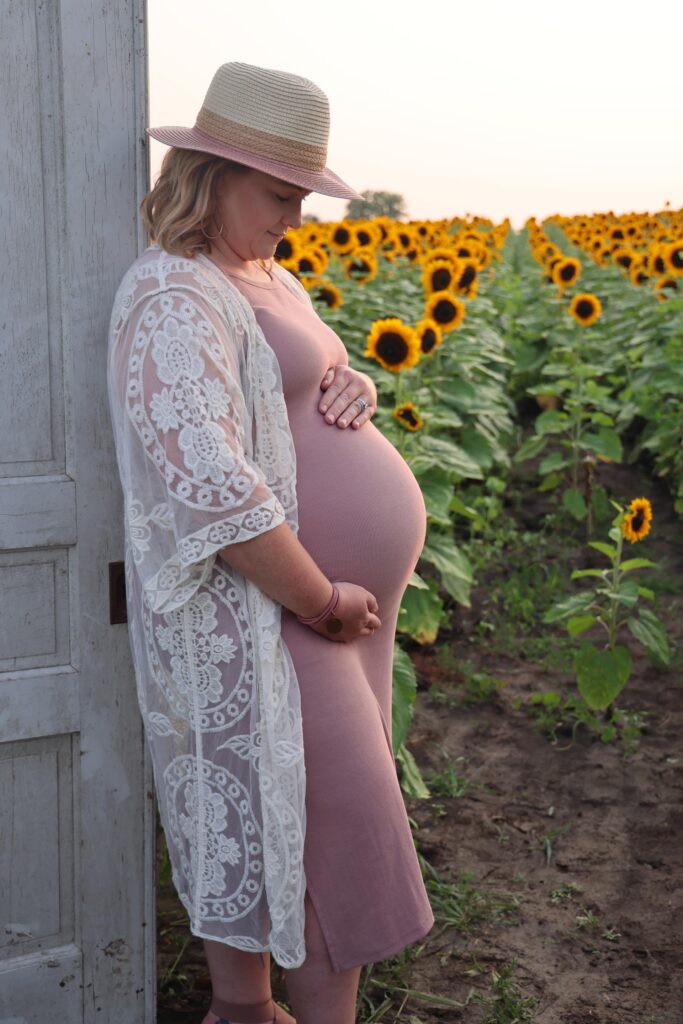
Getting vaccinated while you’re pregnant helps your body make antibodies you can pass on to your baby. These antibodies can help protect your baby from certain diseases during their first few months.
This early protection is especially important for diseases like the flu and pertussis (whooping cough), which can be very serious for newborns. Since babies are too young to get these vaccines themselves, the only way to protect them early on is by passing your antibodies to them during pregnancy.
Tdap: You’ll need a Tdap vaccine during your pregnancy, with optimal timing between the 27th through 36th week of each pregnancy, preferably during the earlier part of this time period. Tdap helps protect against whooping cough (pertussis), which can be life-threatening for newborns.
Flu: Getting a flu vaccine while pregnant can help protect you and your baby against flu.
RSV: RSV is a common cause of severe respiratory illness in infants. Babies infected with RSV can have difficulty breathing and eating and sometimes may need respiratory support or hydration in the hospital. There are two ways to protect your baby from getting very sick with RSV. You can choose to get RSV vaccine during weeks 32 through 36 of your pregnancy during September to January, or your baby aged 8 months or younger can get RSV immunization during their first RSV season. Learn more here.

Anyone who is around your baby needs vaccines too.
Newborns do not yet have fully developed immune systems, making them more vulnerable to infections. Older kids and adults can spread viruses to babies, even if they don’t feel very sick. Because of this, anyone who is around babies should be up to date on all recommended vaccines. This includes parents, siblings, and any other caregivers, like grandparents, or babysitters. Anyone who needs vaccines should get them at least two weeks before meeting the baby because it takes about two weeks to develop antibodies after vaccination.


Want to learn more about vaccines and the diseases they prevent?
All vaccines come with a Vaccine Information Statement produced by CDC that explains both the benefits and risks of a vaccine. Click here to view all Vaccine Information Statements.
Find accurate and factual information about vaccines and the diseases they prevent at VaccineInformation.org.
The Vaccine Education Center at Children’s Hospital of Philadelphia provides complete, up-to-date and reliable information about vaccines across the lifespan.
American Academy of Pediatrics website
Here is a list of resources including apps, books, and videos about vaccines